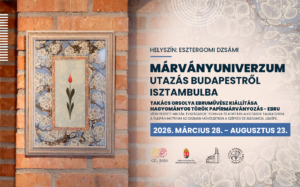
Where history and culture breathe as one.

Discover the Esztergom Mosque, one of the most unique Ottoman-era monuments in Hungary, where past and present blend harmoniously. Step inside and feel the special atmosphere of peace, faith, and cultural encounters in the heart of Esztergom, on the banks of the Danube.

Discover the history of the Mosque – a place where history breathes and cultures meet.

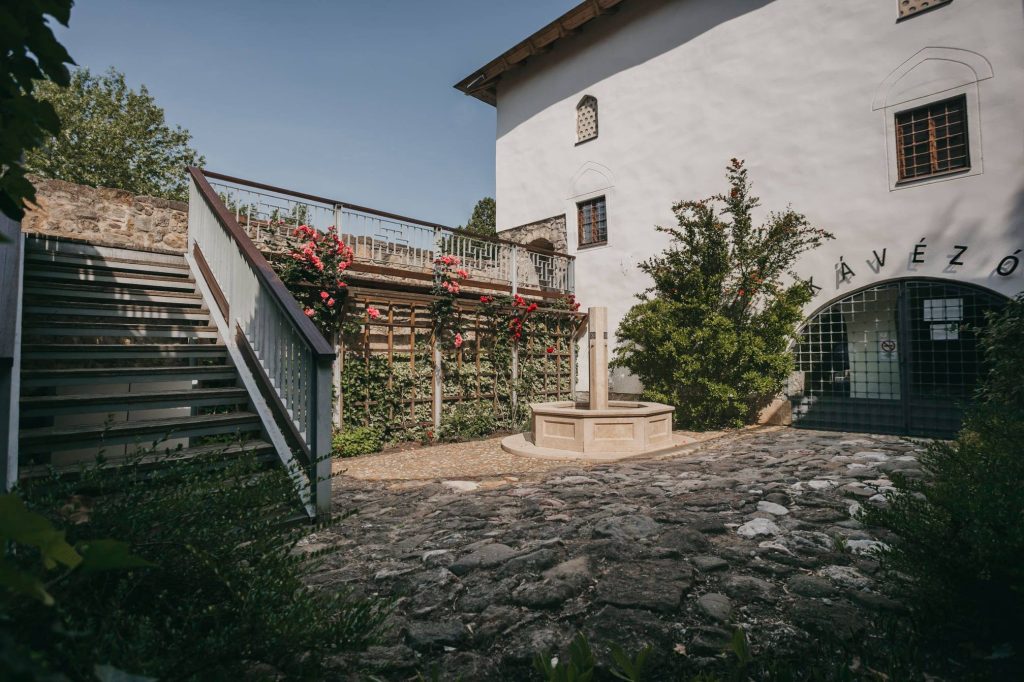
Discover the Esztergom Mosque, one of Hungary’s most unique Ottoman-era monuments! The former prayer hall now serves as a cultural and community space where memories of the past coexist harmoniously with the experiences of the present. Step inside and experience the peaceful silence, the weight of the historical walls, and the vibrancy of cultural life in the heart of Esztergom, by the Danube.

About Us – History and Culture

The Esztergom Mosque, also known as the Özicseli Hadzsi Ibrahim Mosque, has stood on the banks of the Danube for more than 400 years as one of the city’s most remarkable monuments. It was built in the mid-16th century during the Ottoman conquest of Hungary, when after the capture of Esztergom in 1543, the city became one of the most important military, religious, and administrative centers in the region.

The legacy of the Ottoman rule

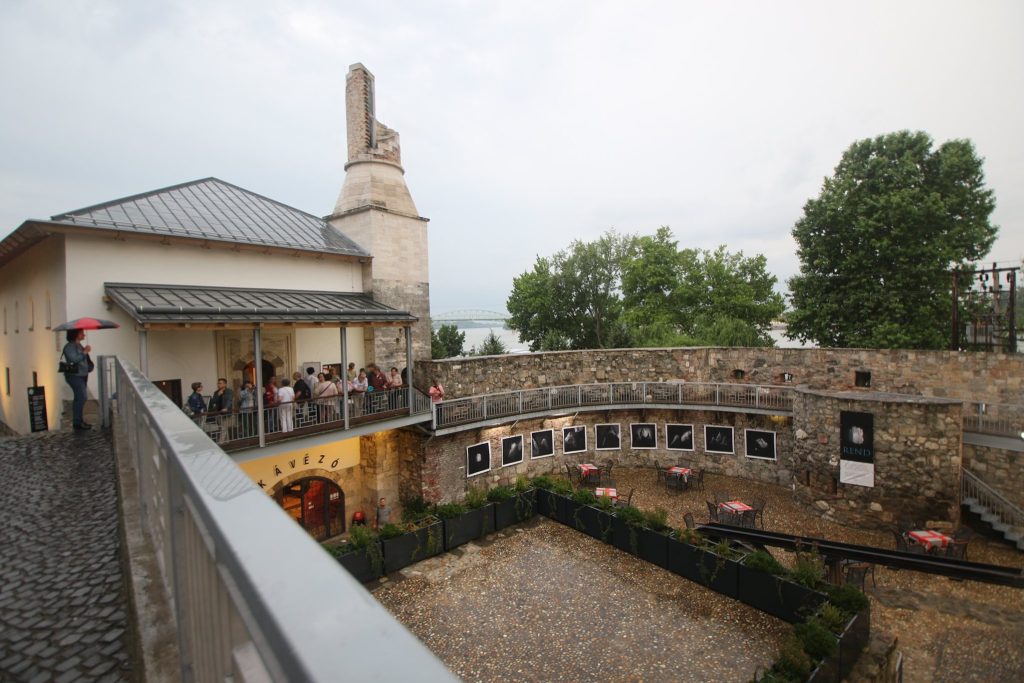
During this period, many mosques and baths were built, but the Esztergom Mosque is the only one that has survived partially in its original form. The prayer hall built in the early 17th century features the characteristics of classical Ottoman architecture: stone and brick walls, a hemispherical dome, and the clean symmetry of the interior space reflecting Islamic architectural traditions. The mihrab — the prayer niche indicating the direction of Mecca — is still visible today and is one of the most valuable elements of Ottoman-era architecture in Hungary.
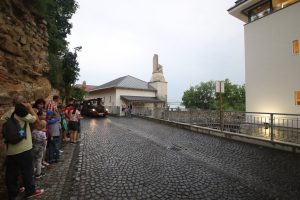
The mosque has a unique, two-level structure: its lower level was part of the medieval Víziváros fortification, and the prayer hall was built above it.
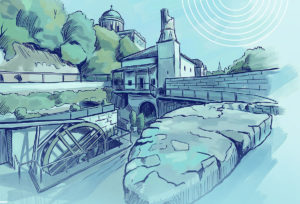
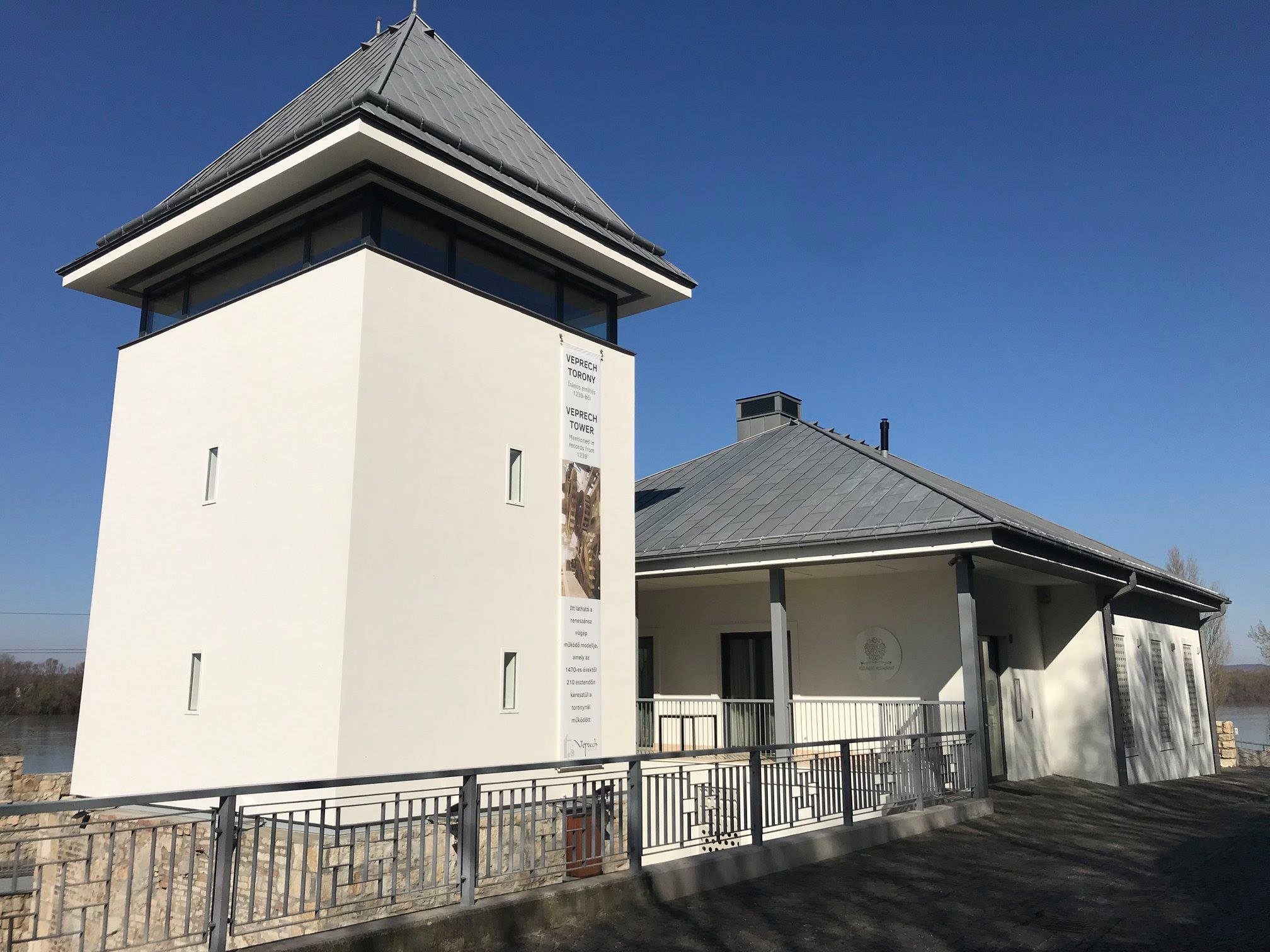
The mosque is located next to the Mill Bastion and the reconstructed Veprech Tower, which houses a Renaissance-era water-lifting mechanism. This device was commissioned by Archbishop János Vitéz in the 15th century — it lifted the water of the Danube to a height of 63 meters and supplied the castle with drinking water for more than two centuries. With the restoration of the tower and the bastion, the surroundings of the mosque now function as a historical attraction and museum space.

After the reconquest of the city

In 1683, after the recapture of Esztergom, the mosque received a new function: it was first converted into a Christian chapel, then used as an archbishop’s granary, later as a warehouse and residential building. At the turn of the 19th–20th centuries, it was owned by the Petz family, who transformed it into a residence. After World War II, the surrounding area became an industrial zone, the condition of the mosque deteriorated, but fortunately its structure and form survived.
In the second half of the 20th century, the artistic and historical value of the building was recognized and it was declared a protected monument. In 1998, Rosenberg Hungária Ltd. purchased the building and a complete archaeological excavation began. The excavations revealed the original mihrab stone carvings, the lower section of the minaret, and the stones of the medieval road. After careful restoration, the building was reopened in 2007 and has since been known as a museum.

The Present – Where Cultures Meet

Today, the renovated mosque is not a religious center but a cultural and community space. The programs organized here aim primarily — though not exclusively — to build a bridge between East and West, to present the cultural heritage of the Islamic world, and to create points of connection with Hungarian historical and artistic traditions.

Why is the Esztergom Mosque special?

More than 400 years old

the northernmost surviving mosque of the Ottoman Empire.

Two-level design

with original minaret remains and classical Ottoman architectural elements.

Historical surroundings

located next to the Mill Bastion and the Veprech Tower.

Monumental value

today the building functions as a museum and cultural exhibition space.

Programs and Events

The cultural life of the Mosque is especially vibrant from April to October. During this period, visitors can participate in numerous special events — from musical evenings to art exhibitions and interactive workshops. The aim of these programs is to bring cultures closer, and to create dialogue between past and present, tradition and modernity. Each event offers a unique experience that is both entertaining and thought-provoking.

Our Current Events

Carved in Stone – In the Footsteps of Ottoman-Era Esztergom

Carved in Stone – In the Footsteps of Ottoman-Era Esztergom

Esztergom has been inhabited since prehistoric times and reached its golden age in the Middle Ages. The area known today as Víziváros, where the mosque stands, was already one of the most important parts of the city. Its name was inspired by the two branches of the Danube and the warm-water springs that emerged here.
Ottoman-Era Leather Pouch – Craft Workshop

Ottoman-Era Leather Pouch – Craft Workshop

2025. November 15. - Saturday

The “Ottoman-Era Leather Pouch Workshop” offers a unique opportunity to explore historical craft traditions up close.

×

Contact & Imprint

Address: 2500 Esztergom, Berényi Zsigmond Street 18.

Phone number: +36 70 384 7390

Opening hours: Tuesday – Saturday 10:00 – 18:00

Entry: Free

Accessibility, parking: The mosque is easily accessible on foot and by car, and several parking areas are located nearby.

Publisher: Esztürk Kft.

Registered office: 1068 Budapest, Városligeti fasor 38.

Tax number: 32462498-2-42

E-mail: info@eszturk.hu

Person responsible for publication: Suat Gökhan Karakus